Reviewing Sewing Machine Embroidery Watercolor for Real Projects
As a designer who has spent years translating digital concepts into tangible thread, I approach every new machine embroidery design with a mix of curiosity and caution. The market is flooded with generic patterns, but occasionally, a collection stands out because it understands the limitations and strengths of the needle. Recently, I evaluated the Sewing Machine Embroidery Watercolor series to see if it holds up under the scrutiny of real-world production. This isn’t just about how it looks on a screen; it’s about how it behaves on fabric, in the hoop, and ultimately, in the hands of a customer.
The First Impression: Artistry Meets Technical Precision
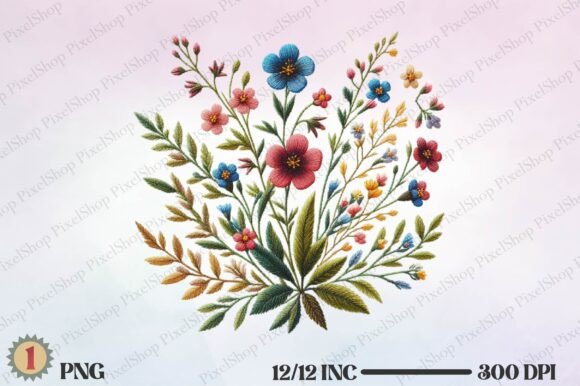
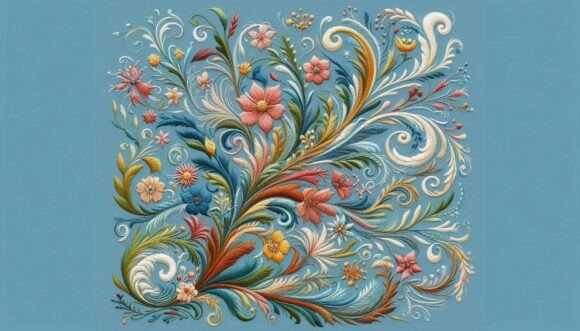
When I first loaded the embroidery file into my editing software, the immediate standout feature was the attempt to mimic fluid watercolor washes using thread. This is notoriously difficult. Watercolors rely on transparency and bleeding edges, while embroidery relies on solid coverage and defined paths. The Sewing Machine Embroidery Watercolor collection manages this balance by utilizing varied fill stitch densities and strategic color blending rather than hard outlines.
The mood is soft, organic, and inviting. It doesn’t scream for attention with aggressive saturation but rather invites a closer look. For those of us creating design assets for boutique brands or Etsy sellers looking to differentiate their handmade product lines, this aesthetic offers a sophisticated alternative to the bold, cartoonish graphics that dominate the lower end of the market. The layout feels intentional, with enough negative space to prevent the fabric from puckering excessively, a common pitfall in dense artistic designs.
Real-World Application: From Mockup to Merchandise
To truly test the viability of these Illustrations, I moved beyond digital previews and stitched them onto actual materials. My primary test case was a custom tote bag design for a local artisan client. She wanted something that felt personal and high-end, avoiding the stiff look of traditional logos. I chose a floral motif from the collection, aiming for a personalized gift vibe that would appeal to her wedding clientele.
The result was striking. On the heavy cotton canvas, the threads laid flat, and the color transitions created a depth that looked painted rather than stitched. This success translates well to other applications. Imagine this design on a sweatshirt embroidery project. The softness of the watercolor style complements the cozy texture of fleece or French terry, making it ideal for custom apparel brands that focus on comfort and subtle branding. It also works beautifully for baby embroidery, where harsh lines can feel too aggressive. The gentle curves and pastel-friendly palettes make it a safe yet stylish choice for nursery decor or infant garments.
However, versatility is key for any craft business. I also tested a smaller variant as an embroidered patch. Here, the detail level required careful attention. While the larger motifs shine on flat surfaces like pillow covers or aprons, the smaller elements need to be scrutinized to ensure they don’t become a muddy mess when scaled down. For holiday embroidery projects, such as Christmas ornaments or festive kitchen towels, the whimsical nature of the watercolor style adds a touch of elegance that mass-produced items often lack.
Navigating Fabric and Hoop Constraints
No design is universal, and Sewing Machine Embroidery Watercolor is no exception. Its strength lies in its detail, which can become its weakness if not managed correctly. When working with stretchy fabric like jersey knits for t-shirts, the density of the fill stitches can cause distortion. In these cases, using a high-quality cut-away stabilizer is non-negotiable. I found that testing the stitch density on scrap fabric first saved me from ruining a final garment. If the design feels too heavy, reducing the density slightly in your software can help maintain the fabric's drape.
Dark fabric presents another challenge. Watercolor effects often rely on light, airy colors. Stitching pale blues or yellows directly onto black denim will result in poor contrast and visibility. For dark backgrounds, consider using an applique design technique where a light-colored fabric base is stitched down first, providing a canvas for the watercolor threads. Alternatively, use a satin stitch border to define the edges and separate the design from the dark background.
Curved surfaces, such as caps or hats, require even more caution. The rigid nature of embroidery hoops clashes with the curve of a cap brim. I recommend using only the simplest, least dense motifs from the collection for headwear. Complex watercolor blends may not register clearly on the textured, curved surface of a baseball cap, leading to a loss of the artistic nuance that makes this collection special.
Commercial Value and Brand Consistency
For small shop product lines, consistency is currency. The Sewing Machine Embroidery Watercolor collection offers a cohesive visual language that can help build brand recognition. Whether you are selling digital embroidery file packs or finished goods, the professional finish of these designs elevates the perceived value. Customers are willing to pay more for items that look curated and artistically considered.
When creating printable mockup materials for your online store, ensure that your photos capture the texture of the thread. The watercolor effect is tactile as well as visual. Highlighting the sheen of the thread colors against the matte fabric can significantly boost buyer engagement. It tells the story of quality craftsmanship, reinforcing trust in your commercial embroidery services.
Practical Notes for the Serious Maker
Before committing to a large production run or listing a new item, keep these practical steps in mind:
- Test on Scrap Fabric: Always stitch a sample on the exact fabric type you intend to use. Check for puckering, thread breaks, and color accuracy.
- Check Thread Contrast: Ensure your thread palette matches the digital preview. Subtle watercolor shades can look muddy if the thread quality is low or the tension is off.
- Verify Hoop Size: Confirm that the design fits comfortably within your machine’s hoop size without needing excessive re-hooping, which can misalign intricate patterns.
- Inspect Small Details: Zoom in on the digitized file. Look for unnecessary jump stitches or tiny details that may not stitch out cleanly on older machines.
- Review Licensing: If you plan to sell finished items or redistribute the Graphics, confirm the license terms. Most designers allow commercial use for finished physical products, but digital resale is often restricted.
In conclusion, the Sewing Machine Embroidery Watercolor collection is a powerful tool for designers who want to add an artistic, hand-painted feel to their embroidered goods. It requires a thoughtful approach to fabric selection and stabilization, but the payoff is a unique, high-value finished product that stands out in a crowded marketplace. Whether you are creating a holiday gift, expanding your Etsy seller inventory, or designing custom apparel for a client, this collection offers the flexibility and beauty needed to succeed.