Flower Blue: A Line Art Review for Craft Fair Success
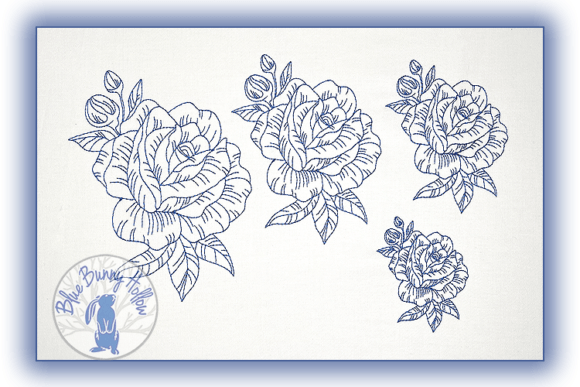
As an embroidery designer who has spent countless weekends standing behind booths at local markets, I have learned that the difference between a browsing customer and a buying customer often comes down to visual clarity. When I first loaded Flower Blue into my digitizing software, my immediate reaction was one of relief mixed with excitement. In a world saturated with overly complex, dense designs, this piece stands out for its restraint. It is a captivating line art style embroidery design that boasts elegance with just a single trim. For those of us running small shops or Etsy stores, finding a design that balances aesthetic appeal with production efficiency is rare.
First Impressions: Minimalism Meets Marketability
The category of Outline Flowers can sometimes feel generic, but Flower Blue avoids the trap of looking like clipart. The single-trim approach gives it a modern, airy feel that fits perfectly into current home decor trends. It feels less like a traditional rustic motif and more like a premium, contemporary accent. This distinction is crucial for craft fair sellers. When you are setting up a booth, you need items that catch the eye from three feet away without overwhelming the viewer. This design achieves that balance. It is bold enough to be seen but minimal enough to feel sophisticated.
For handmade product creators, this versatility is a goldmine. Because the design invites creativity with endless possibilities for coloring, it does not dictate a specific color palette. You are not forced to use traditional greens and pinks. You can stitch it in monochrome black on white linen for a Scandinavian look, or use vibrant neon threads on dark denim for a youthful, edgy vibe. This adaptability makes it an ideal candidate for batch production, where you might want to offer the same item in multiple colorways to appeal to different tastes.
Product Applications: Where Flower Blue Shines
When planning my inventory for a weekend craft fair, I always categorize designs by their best surface application. Flower Blue performs exceptionally well on flat, stable fabrics. Here is how I would deploy this design across a typical product line:
- Tote Bag Design: This is perhaps the strongest application. A large-scale version of this line art centered on a canvas tote creates an instant statement piece. The open spaces in the line art allow the natural texture of the canvas to show through, adding depth to the finished product.
- Apron Embroidery: Placing this design on the bib of a half-apron or waist apron adds a touch of elegance to kitchen wear. It transforms a utilitarian item into a giftable handmade product that feels curated rather than mass-produced.
- Tea Towel Embroidery: For kitchen textiles, the simplicity of the design ensures it survives repeated washing without losing its charm. However, care must be taken with fabric texture. On thick, waffle-weave towels, the single trim might get lost. I recommend using this on smooth flour sack towels or linen blends where the stitches can lay flat and crisp.
- Embroidered Patch: Creating iron-on or sew-on patches is a high-margin small shop product. Because the design is essentially an outline, it cuts cleanly and does not require excessive trimming or satin stitch borders, reducing production time significantly.
Production Practicality for the Busy Maker
From a production standpoint, Flower Blue is a dream for commercial embroidery. The lack of dense fill areas means lower thread consumption and faster run times. This is critical when you are fulfilling orders for Etsy listings or preparing stock for a busy holiday market. However, speed should never compromise quality. As an experienced designer, I must offer some careful-use notes to ensure your final product looks professional.
First, consider the stitch density. While line art is generally low density, you must ensure the spacing between the parallel lines is sufficient to prevent the fabric from puckering. If you are stitching on a curved cap surface, test the design thoroughly. Curved surfaces distort linear designs, and a single trim might appear wavy if not properly stabilized. Always use a cut-away stabilizer for caps to maintain shape integrity.
Second, think about contrast. On dark fabric, a single line of thread might not pop unless you choose a high-contrast thread color. White or metallic gold threads on navy or black cotton create a stunning effect. Conversely, on light fabrics, ensure your thread color is distinct enough to define the shape. The design relies entirely on the contour, so any loss of definition due to poor thread choice will render the image invisible.
Technical Considerations Before You Stitch
Before committing to a full batch of products, you must treat this digital embroidery file with the same rigor as any other design asset. Do not assume the default settings will work for every material. Here is my checklist for pre-production:
- Test on Scrap Fabric: Always run a test stitch on the exact fabric you intend to sell. Check for registration issues where the start and end points of the line meet.
- Check Thread Contrast: View the test stitch from five feet away. If the design disappears, adjust your thread colors or increase the scale slightly.
- Review Spacing and Hoop Size: Ensure the design fits comfortably within your hoop size with adequate margin for hooping. Crowding the edges can lead to hoop burns or distorted stitches.
- Inspect Stitch Density: Even though it is line art, verify that the underlay is sufficient to anchor the top stitches, especially on stretchy fabrics.
- Use the Right Stabilizer: Match your stabilizer to the fabric weight. Lightweight fabrics may require a tear-away, while heavier canvases need cut-away support.
Boosting Visual Appeal and Brand Consistency
In the competitive landscape of handmade goods, brand consistency is key. Flower Blue offers a cohesive look that can tie together a diverse product range. Whether you are selling pillow covers, market bags, or small pouches, using the same design motif creates a recognizable brand identity. Customers begin to associate that elegant line art style with your specific shop.
Furthermore, this design photographs beautifully for online listings. The clean lines translate well into a printable mockup, allowing you to create professional-looking previews for your Etsy seller account without having to physically produce every color variation. This saves time and resources while maintaining a high-quality digital presence.
Ultimately, the value of Flower Blue lies in its simplicity. It allows the quality of your craftsmanship to take center stage. There are no complex fills to hide poor tension or messy bobbin work. The design demands precision, which in turn elevates the perceived value of the finished product. For creative entrepreneurs looking to expand their catalog with a versatile, elegant, and efficient machine embroidery design, this piece is a strong contender. Just remember to check the specific license terms included with the digital embroidery file to confirm commercial usage rights before selling your finished products. With proper testing and thoughtful application, Flower Blue can become a staple in your craft fair lineup, drawing in customers who appreciate the quiet confidence of well-executed minimalism.