Review: Split Frame Soccer Ball - Filled Design
As a designer who has spent countless hours staring at digitizing software and even more hours unpicking bad stitches, I approach every new machine embroidery design with a mix of optimism and skepticism. We have all been there: you download a file that looks crisp on the screen, only to find it turns into a tangled mess of thread on your favorite hoodie. That is why when I came across the Split Frame Soccer Ball - Filled design, I did not just look at the preview image. I wanted to know how it would behave in the real world, on real fabric, for real clients.
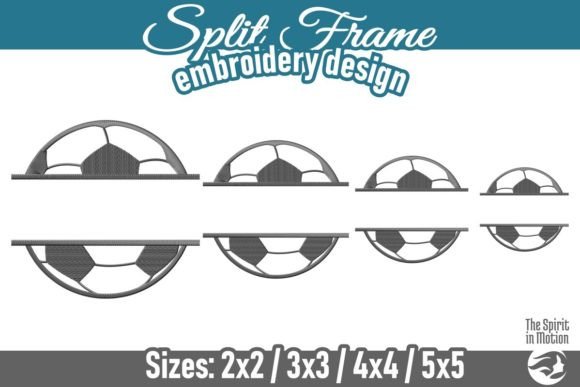
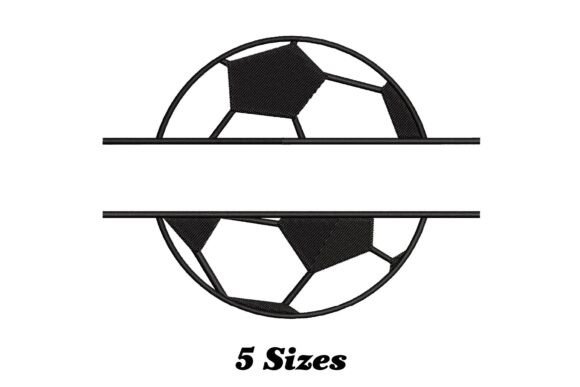
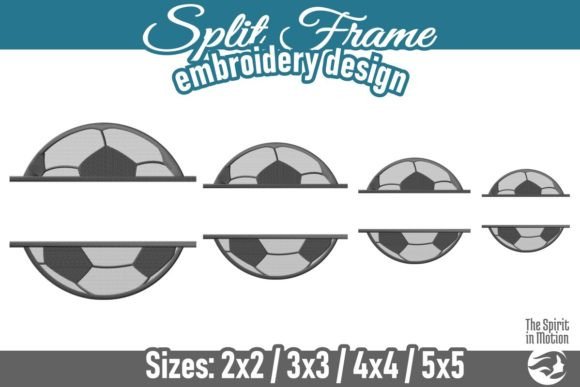
This particular embroidery file caught my eye because of its structural concept. The "split frame" idea suggests a modern, graphic take on a classic sports motif, moving away from the overly cartoonish or hyper-realistic styles that often dominate the Sports category. For those of us running a craft business or selling on Etsy, finding designs that feel contemporary rather than dated is half the battle. This design promises to add a unique twist to apparel and accessories, but does it deliver on functionality?
First Impressions and Visual Personality
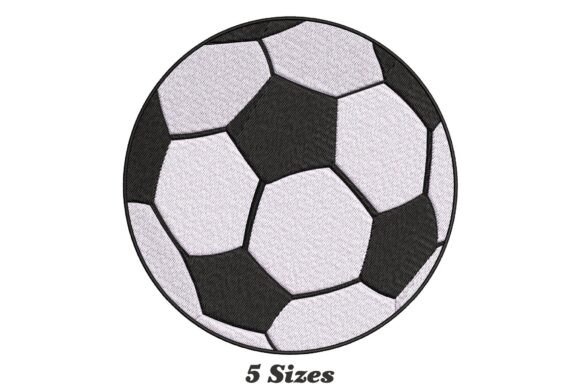
The first thing I noticed about the Split Frame Soccer Ball - Filled is its balance. It is not just a ball; it is a composition. The split frame element creates negative space that allows the fabric to breathe, which is crucial for maintaining a professional look. Too many fill stitch heavy designs result in stiff, cardboard-like patches that ruin the drape of a garment. This design, by incorporating the frame concept, seems to distribute the visual weight more evenly.
The mood here is energetic yet structured. It feels appropriate for a wide range of demographics, from youth league teams to adult recreational leagues. For an Etsy seller, this versatility is gold. You are not limited to one niche. You can market this as part of a back-to-school collection, a father’s day gift, or a boutique line of athleisure wear. The visual personality is clean, suggesting that it will stitch out with clarity if the tension is right.
Real-World Application: The Tote Bag Test
To truly evaluate a design, you have to imagine it on a product. I pictured this design on a heavy canvas tote bag design project. Canvas is forgiving, but it shows every gap in stitching. The filled nature of the soccer ball portion means there will be significant thread coverage. In my mental simulation, I considered the stitch density. If the density is too high, the canvas might pucker. If it is too low, the backing fabric might show through.
I also envisioned this on a sweatshirt embroidery project. Here, the texture of the fleece matters. A design with fine details can get lost in the pile of a thick sweatshirt. However, the bold lines of the split frame should hold up well against the textured background. This makes it a strong candidate for custom apparel where durability and visibility are key. For a small shop product, this reliability reduces the risk of customer returns due to poor quality perception.
Another scenario I considered was an embroidered patch. Patches require dense stitching to prevent fraying and to stand alone without fabric support. If this design is intended for patches, the fill areas need to be tight. The description mentions it is perfect for personalizing accessories, which aligns well with the patch market. Whether ironed onto a backpack or sewn onto a jacket, the graphic nature of the split frame ensures it remains recognizable from a distance.
Technical Considerations and Fabric Choices
While the design looks promising, practical Embroidery work requires caution. The "filled" aspect of the title implies a significant amount of thread usage. This brings us to the topic of stabilizer. For stretchy fabrics like jersey t-shirts or performance wear, a cut-away stabilizer is non-negotiable. Without it, the weight of the filled soccer ball could cause the fabric to distort over time, especially after washing.
I would advise testing this on scrap fabric first. Check how the thread colors interact. A classic black and white soccer ball is high contrast, but if you are using team colors, ensure the frame contrasts enough with the ball itself. On dark fabrics, you might need to adjust the underlay stitches to prevent the fabric color from peeking through the lighter parts of the design. This is a common issue with digital embroidery file usage that beginners often overlook.
Be mindful of hoop size. While the description mentions four sizes, always confirm the largest dimension fits your hoop with room to spare for clamping. Trying to squeeze a large design into a small hoop can lead to misalignment and hoop burns, which ruin the finished product. Also, consider the surface. Curved surfaces like caps require careful hooping and possibly a different stabilization strategy than flat items like tea towels or pillow covers.
Commercial Viability and Brand Consistency
For those using this as a commercial embroidery asset, consistency is key. Does this design fit your brand? If your shop specializes in delicate, floral applique design work, this bold sports graphic might feel out of place. However, if you cater to families, schools, or sports enthusiasts, it fits perfectly. It enhances brand consistency by offering a professional, clean look that customers trust.
The value proposition here is time savings. Instead of digitizing a complex soccer ball from scratch, you are buying a pre-tested asset. This allows you to focus on marketing and customer service. When creating printable mockup images for your online store, this design’s clear lines will render well, helping potential buyers visualize the personalized gift they are purchasing. High-quality visuals lead to higher buyer engagement and trust.
Final Designer Notes
Before you commit to a large production run or list this as a new item in your small shop product lineup, take these steps:
- Test on multiple fabrics: Try it on cotton, polyester, and fleece to see how the fill stitch behaves.
- Check the license: Confirm whether the digital embroidery file allows for commercial use of finished items. Never assume.
- Inspect the details: Zoom in on the digitizing software. Look for unnecessary jump stitches or overly dense areas that might cause needle breaks.
- Contrast check: Ensure the split frame stands out against both light and dark backgrounds.
- Wash test: Stitch a sample, wash it, and dry it. Check for puckering or thread breakage.
The Split Frame Soccer Ball - Filled design offers a solid foundation for various embroidery project types. It balances aesthetic appeal with practical application, making it a worthy addition to your library of design assets. By understanding its strengths and limitations, you can leverage it to create high-quality handmade product offerings that resonate with your customers. Remember, the best design is not just the one that looks good on screen, but the one that stitches out cleanly and lasts through the wear and tear of daily life.