Review: Wedding Floral Embroidery Pattern 11 for Business
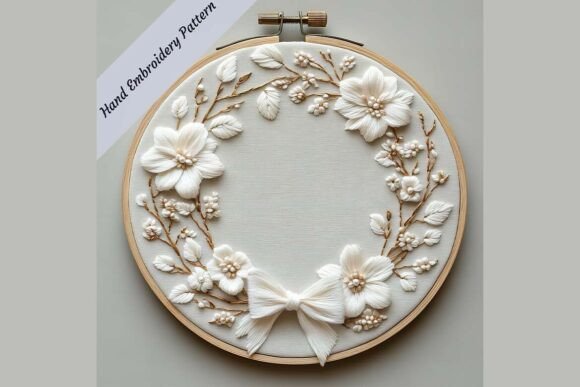
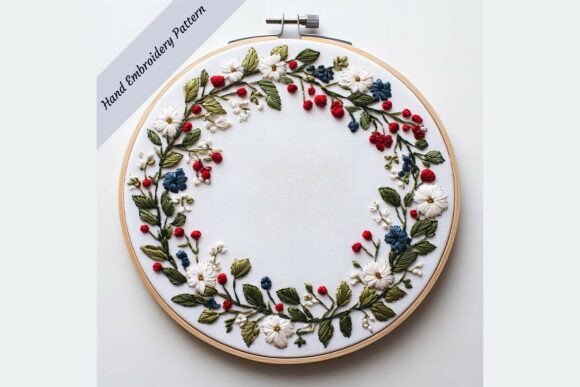
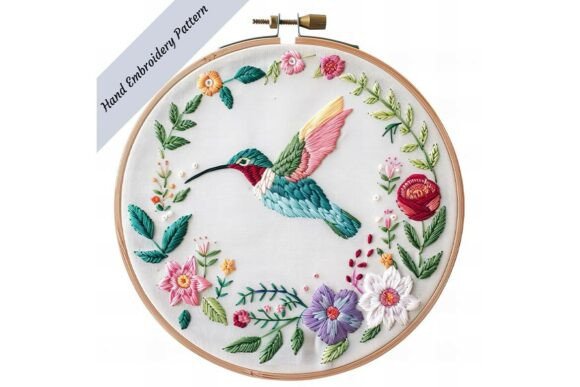
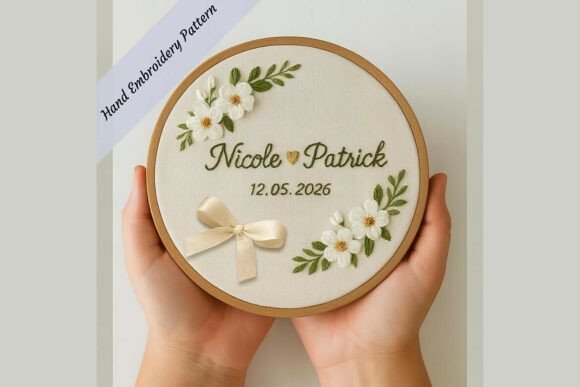
As an embroidery designer who has spent years helping small businesses translate their brand identity into thread, I approach every new digital embroidery file with a critical eye. It is not just about whether a design looks pretty on a screen; it is about how it performs on fabric, how it holds up in the wash, and how it elevates a handmade product in a crowded marketplace. Today, I am reviewing Wedding Floral Embroidery Pattern 11, a modern hand embroidery hoop design featuring delicate white flowers and green leaves. While marketed as a DIY stitching project, I see significant potential for this asset in the world of commercial embroidery and branded merchandise.
First Impressions: Visual Personality and Brand Fit
The first thing that strikes me about Wedding Floral Embroidery Pattern 11 is its balance between elegance and approachability. The description highlights "delicate white flowers and greenery," which suggests a soft, organic aesthetic. For a business owner, this visual personality is crucial. It does not scream loud or aggressive; instead, it whispers premium quality and care. This makes it an excellent candidate for brands that want to project trust, warmth, and sophistication.
If you run a boutique florist, a high-end bakery, a creative studio, or a bridal shop, this design aligns perfectly with your brand voice. It feels handmade yet polished. Unlike bold, blocky logos that work well for industrial companies, this floral motif adds a layer of artistic refinement. When evaluating design assets for your shop, ask yourself if this level of delicacy matches your customer’s expectations. For luxury or artisanal brands, the answer is often a resounding yes.
Real-World Applications for Small Business Merch
Let us move beyond theory and discuss where Wedding Floral Embroidery Pattern 11 actually works in a production environment. As a machine embroidery design or hand-stitching guide, its versatility is its strongest asset. Here is how I would deploy this pattern for various small business merch items:
- Embroidered Patches: This is perhaps the most viable option. A circular hoop-style patch featuring these white flowers and green leaves can serve as a removable brand mark. It allows customers to attach your logo to jackets, bags, or hats without committing to permanent embroidery. Ensure you use a satin stitch border to keep the edges clean.
- Apron Embroidery: For cafes and bakeries, staff uniforms are walking billboards. Placing this floral design on the chest pocket or lower corner of a canvas apron adds a touch of class. It signals to customers that your staff cares about details, enhancing the overall dining experience.
- Tote Bag Design: Canvas tote bags are a staple for Etsy sellers and retail shops. Because the design features white flowers, it will pop beautifully against natural beige or dark green canvas. It transforms a simple bag into a desirable accessory that customers will use daily, increasing brand visibility.
- Cap Embroidery: Using this on the front of a dad hat or baseball cap requires careful scaling. The delicate nature of the leaves means you must simplify the design slightly to prevent thread breaks or puckering on the curved surface of the cap.
Technical Considerations and Production Challenges
While Wedding Floral Embroidery Pattern 11 is visually stunning, any experienced embroiderer knows that beauty comes with technical demands. Before you commit to a large production run of custom apparel or patches, you must address several practical issues.
First, consider stitch density. Delicate flowers and thin leaves can look sparse if the density is too low, but they can become stiff and cardboard-like if the density is too high. You need to find a sweet spot that maintains the airy feel of the original artwork while ensuring durability. If you are using this as a machine embroidery design, test different underlay stitches to support the fine details.
Second, think about thread colors and contrast. The design relies on white flowers. If you are embroidering on white fabric, the design will disappear. You must either use a contrasting background fabric, such as navy, black, or forest green, or outline the white petals with a subtle gray or cream thread to define them. Always create a printable mockup to visualize this contrast before hooping your first piece.
Third, evaluate the hoop size and placement. Since this is described as a "hoop design," it likely has a circular composition. This fits naturally on round patches but may require adjustment for rectangular spaces like shirt pockets. Ensure the scale is appropriate; if the design is too small, the intricate leaf details may merge into a blob after washing. If it is too large, it may overwhelm a small garment.
Impact on Brand Identity and Customer Trust
Why go through the trouble of testing and refining Wedding Floral Embroidery Pattern 11? Because high-quality embroidery directly impacts perceived value. When a customer receives a tote bag or apron with crisp, well-executed floral embroidery, they associate that quality with your entire brand. It builds trust. It shows that you do not cut corners.
In the world of Hand Embroidery Patterns and Graphics, consistency is key. If your website features soft, organic aesthetics, but your merchandise uses harsh, pixelated prints, you create cognitive dissonance. Using a cohesive design like this floral pattern across your packaging accents, staff uniforms, and sellable merchandise creates a unified brand experience. It makes your business look established and professional, even if you are a solo entrepreneur working from home.
Designer Notes for Successful Implementation
Before you launch your next collection featuring this pattern, follow these steps to ensure success:
- Test in Black and White: Print the design in grayscale first. If you cannot distinguish the flowers from the leaves in black and white, the contrast may be too low for embroidery. Adjust brightness or outline thickness if necessary.
- Check Fabric Texture: Test the design on the exact fabric you plan to use. Delicate designs behave differently on smooth cotton versus textured linen or heavy denim. Use the appropriate stabilizer to prevent puckering, especially on stretchy fabrics.
- Verify Licensing: This is critical for commercial embroidery. Check the license terms for Wedding Floral Embroidery Pattern 11. Ensure you have the right to use it for physical goods you intend to sell. Never assume a DIY pattern includes commercial rights.
- Create Client Mockups: If you are designing for a client, show them a realistic printable mockup of the embroidery on their specific garment. This manages expectations and reduces revision rounds.
In conclusion, Wedding Floral Embroidery Pattern 11 is more than just a decorative element. It is a strategic tool for building a sophisticated brand presence. By understanding its technical requirements and applying it thoughtfully to patches, aprons, and bags, you can create merchandise that customers love to wear and use. Take the time to test, refine, and perfect the execution, and this floral design will become a valuable asset in your design assets library.