Review: Boy Playing Soccer Embroidery Design for Merch
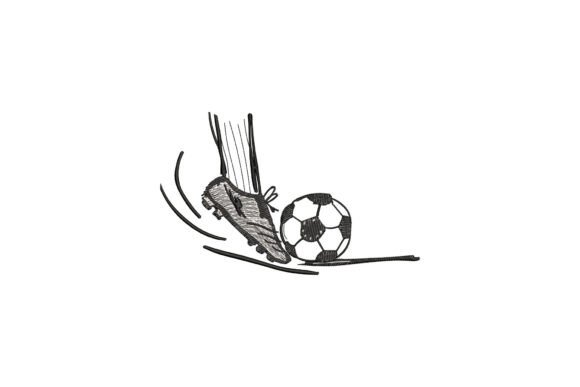
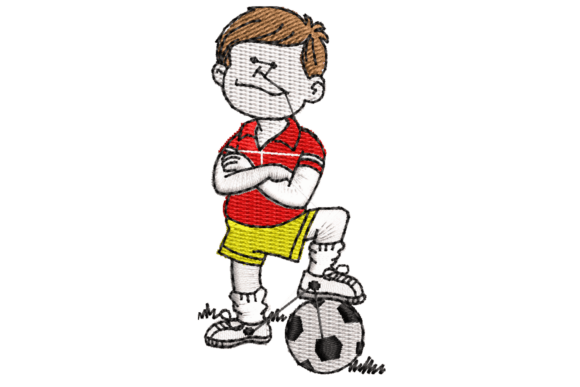
As an embroidery designer who has spent years digitizing and testing files for small business clients, I approach every new machine embroidery design with a critical eye. It is not just about whether the image looks cute on a screen; it is about how that digital embroidery file translates to fabric, how it holds up in the wash, and most importantly, how it serves the brand identity of the business using it. Today, I am reviewing the Boy Playing Soccer Embroidery Design, a cheerful asset aimed at the youth sports market, to determine its viability for commercial use.
The first impression of this design is undeniably playful and energetic. For businesses targeting young football fans, this visual personality is a strong asset. It feels friendly and approachable rather than overly corporate or rigid. However, when we move from aesthetic appreciation to practical application for small business merch, we must dig deeper into the technical execution and versatility of the artwork.
Visual Personality and Brand Fit
The description notes that this design is perfect for decorating kids’ clothes, sports bags, t-shirts, and towels. From a branding perspective, this suggests a design that is likely bold enough to be seen from a distance but simple enough to remain clear on various textiles. The "cheerful" and "sporty" vibe makes it an excellent candidate for boutique merchandise, local sports clubs, or family-oriented brands. If you run a handmade shop or an Etsy store focusing on Boys apparel, this design aligns well with current trends in personalized, sport-themed gifts.
However, professionalism in commercial embroidery comes from consistency. Does this design look like a premium product or a cheap novelty? Based on its intended use for young fans, it leans towards a fun, decorative style. This is ideal for customer gifts, event merch, or add-ons to standard uniforms, but it may not suit high-end, minimalist brand identities. It works best where the goal is engagement and joy rather than understated elegance.
Real-World Business Applications
Let us imagine a few scenarios where this embroidery file could drive value for a small business. Consider a local bakery or café that sponsors a youth soccer team. Using this design on staff aprons or tote bags creates a community connection. The Boy Playing Soccer Embroidery Design acts as a visual bridge between the business and its customers’ personal interests.
- Custom Apparel: Placing this on the chest of a t-shirt or the sleeve of a hoodie adds a personalized touch that mass-produced retail items lack.
- Embroidered Patch Production: This design is a strong candidate for iron-on or sew-on patches. Patches allow customers to buy the design once and apply it to multiple items, increasing the perceived value of your design assets.
- Cap Embroidery: Sports caps are a staple for young athletes. A simplified version of this design on the front panel can serve as a team identifier or a fun accessory.
- Tote Bag Design: For sports moms and dads, a durable tote bag featuring this cheerful motif is both functional and stylish, serving as a walking advertisement for your brand.
For Etsy sellers and crafters, this design can be part of a bundle. Offering it alongside matching numbers or names creates a cohesive finished product that commands a higher price point. It transforms a plain towel or sports bag into a custom keepsake.
Technical Considerations and Limitations
While the concept is strong, technical execution is where many designs fail in a business context. The product description lists formats PES, DST, and EX. These are standard formats for most home and semi-industrial machines, which is a positive sign for accessibility. However, before running a production batch, you must verify specific technical details that are not explicitly stated in the brief description.
Stitch density is a critical factor. If the design is too dense, it will cause puckering on lightweight fabrics like t-shirts or towels. Conversely, if it is too sparse, it may look cheap on heavier materials like denim or canvas tote bags. I recommend testing the design on a scrap piece of the exact fabric you intend to use. Pay close attention to the thread colors. High contrast is necessary for the design to pop, especially on dark uniforms. If the design relies on subtle shading, it may get lost on textured fabrics.
Another area of caution is size. The description mentions it is great for young fans, implying a certain scale. If you attempt to shrink this design for a small chest logo or a tiny patch, fine details may merge or break. Always check the minimum hoop size required and ensure the design remains legible at smaller dimensions. For cap fronts, which have a curved and often stiff surface, ensure the design does not have excessive underlay that could cause stiffness or discomfort.
Enhancing Brand Identity and Trust
Using a well-executed design like the Boy Playing Soccer Embroidery Design contributes significantly to brand trust. When customers see clean, crisp stitching with no thread breaks or puckering, they associate that quality with your business. It signals professionalism. In the world of custom apparel, the finish is everything. A sloppy embroidery job can damage a brand’s reputation faster than almost any other error.
Furthermore, this design helps with visual consistency. If your brand uses sporty, youthful imagery across your social media, packaging, and products, this embroidery reinforces that narrative. It creates a recognizable look that customers can identify. For handmade brands, this consistency is key to building a loyal following. Buyers engage more with products that feel curated and thoughtful, rather than random assortments of designs.
Practical Designer Notes for Production
Before you commit to using this design for client work or inventory, follow these steps to ensure success:
- Test in Black and White: Before selecting thread colors, stitch out the design in black thread on white fabric. This reveals the structure and spacing without the distraction of color. If it looks messy in monochrome, it will look messy in color.
- Check Stabilizer Requirements: Different fabrics need different support. Use a cut-away stabilizer for stretchy knits and a tear-away for woven cottons. The right stabilizer prevents distortion and ensures the apron embroidery or shirt design lays flat.
- Create a Printable Mockup: Use digital tools to place the design on images of caps, bags, and shirts. Show these mockups to clients for approval before stitching. This manages expectations and reduces waste.
- Verify Commercial Licensing: The description does not explicitly state the license terms. Always confirm that the digital embroidery file comes with a commercial use license if you plan to sell physical items made with it. Never assume; always check the seller’s terms.
- Inspect Spacing and Density: Look for areas where stitches are too close together, which can cause thread bunching, or too far apart, which shows the fabric background excessively.
In conclusion, the Boy Playing Soccer Embroidery Design is a promising asset for businesses targeting the youth sports demographic. Its cheerful nature and versatility across items like towels, bags, and shirts make it a valuable addition to your library. However, its success in a small business context depends entirely on your technical preparation. By testing on real fabric, choosing the right stabilizer, and ensuring proper licensing, you can transform this simple file into a high-value product that enhances your brand identity and delights your customers. Treat every stitch as a reflection of your craftsmanship, and this design will serve you well.