Soccer Player Design Review for Small Business Merch
As an embroidery designer who has spent years digitizing and reviewing files for commercial use, I approach every new machine embroidery design with a critical eye. It is not just about whether the image looks cute on a screen; it is about how that design translates to fabric, how it holds up in the wash, and ultimately, how it serves the brand identity of the small business owner using it. Today, I am taking a close look at the Soccer Player design. This piece falls squarely into the Sports category, but its application goes far beyond the playing field. For boutique owners, Etsy sellers, and apparel decorators, understanding the nuances of this file is essential for creating high-quality, profitable merchandise.
First Impressions: Whimsy Meets Professionalism
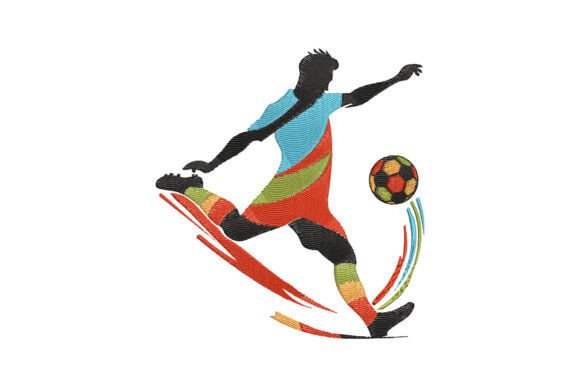
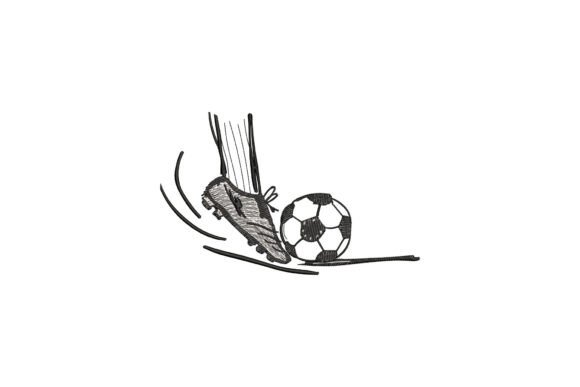
The product description highlights a "touch of whimsy charm," and upon initial inspection, the Soccer Player design delivers on this promise. It does not feel overly aggressive or strictly competitive, which is a common pitfall in sports-themed embroidery. Instead, it strikes a balance between energetic movement and approachable friendliness. This visual personality is crucial for small businesses. A local café, a family-oriented bakery, or a creative studio might want to sponsor a local team or create themed merchandise without appearing too corporate or intense. The design feels handmade yet polished, making it an excellent candidate for brands that value community engagement and playful aesthetics.
For those creating custom apparel, this whimsical tone allows for versatility. It works equally well on a child’s birthday shirt as it does on a staff uniform for a sports-themed event. The key takeaway here is that the design avoids harsh, jagged lines that can look cheap when stitched out, opting instead for a smoother, more inviting silhouette that enhances the perceived value of the finished product.
Real-World Applications for Small Business Merch
When evaluating a digital embroidery file for commercial use, I always ask: where can this realistically go? The Soccer Player design is remarkably versatile. Here is how I envision it performing in various business scenarios:
- Embroidered Patches: This is perhaps the strongest use case. Creating iron-on or sew-on patches allows customers to customize their own jackets, bags, or hats. The design’s clear outlines should translate well to a patch format, provided the stitch density is managed correctly to prevent puckering.
- Staff Uniforms and Aprons: For businesses hosting sports viewing parties or sponsoring local leagues, embroidering this design on aprons or polo shirts creates instant brand recognition. It adds a layer of professionalism and team spirit that printed logos often lack.
- Tote Bag Design: Canvas tote bags are a staple for handmade brands. Placing the Soccer Player motif on a tote creates a functional, stylish item that appeals to parents, coaches, and fans alike. The durability of embroidery ensures the design survives daily use.
- Cap Embroidery: While caps present challenges due to their curved surface, a simplified version of this design could work beautifully on the front panel or side. It offers a subtle nod to sports fandom without overwhelming the wearer.
Furthermore, this design can serve as a charming accent on home decor items like pillows and towels, as suggested by the product details. For Etsy sellers, offering these as coordinated sets—such as a towel and pillow combo—can increase average order value and customer satisfaction.
Navigating Technical Challenges and Fabric Constraints
While the aesthetic appeal is strong, any experienced embroiderer knows that technical execution is where projects succeed or fail. There are specific areas where the Soccer Player design requires careful attention. First, consider the stitch density. If the design is scaled down too small for a tiny chest logo or a small patch, fine details may merge together, losing definition. It is vital to test the design at your intended size before running a full production batch.
Additionally, fabric texture plays a significant role. Stitching on textured fabrics like terry cloth towels or thick denim requires adjustments. You may need to increase the underlay stitches to ensure the design sits flat and does not sink into the pile of the fabric. Conversely, on smooth performance fabrics used for athletic wear, you must ensure the stabilizer is appropriate to prevent shifting during high-speed stitching.
Another consideration is color contrast. On dark uniforms or navy blue tote bags, light thread colors will pop, but you must ensure there are no gaps in the coverage that reveal the base fabric unintentionally. Always run a test stitch-out on the actual material you plan to use for your small business merch. This step is non-negotiable for maintaining quality control and protecting your brand reputation.
Enhancing Brand Identity and Customer Trust
Why does the choice of embroidery matter for brand identity? Because embroidery signals quality. When a customer receives a product with a well-executed embroidered patch or logo, they perceive it as premium and durable. The Soccer Player design, with its clean lines and charming style, contributes to a cohesive visual identity. It tells your customers that you care about the details.
For handmade brands, consistency is key. Using this design across various design assets—from product tags to promotional items—creates a recognizable brand presence. It builds trust because the tactile nature of embroidery feels authentic and human-made, contrasting sharply with mass-produced printed goods. This emotional connection can drive buyer engagement and foster loyalty among your customer base.
Practical Designer Notes for Production
Before you launch your next campaign featuring the Soccer Player design, keep these practical tips in mind to ensure a smooth production process:
- Test in Black and White: Before selecting your final thread colors, stitch the design out in black and white. This helps you evaluate the contrast and clarity of the shapes without the distraction of color. If it looks good in monochrome, it will likely look great in color.
- Check Hoop Size Compatibility: Confirm that the design fits within your machine’s hoop size limitations. If you are using a smaller hoop, you may need to split the design or choose a different placement strategy.
- Select the Right Stabilizer: Do not skimp on stabilizer. For stretchy fabrics like t-shirts, use a cut-away stabilizer to provide long-term support. For woven fabrics like tote bags, a tear-away may suffice, but always test first.
- Create a Printable Mockup: Use digital tools to create a printable mockup of the design on your chosen product. This allows you to visualize scale and placement before committing to thread and fabric, saving time and resources.
- Verify Commercial Licensing: Always confirm the license terms associated with the embroidery file. Ensure you have the right to use the design for commercial purposes, especially if you are selling the finished items or offering custom embroidery services.
In conclusion, the Soccer Player embroidery design is a robust asset for any small business looking to add a touch of spirited charm to their product line. By respecting the technical requirements of embroidery and leveraging the design’s versatile aesthetic, you can create memorable, high-quality merchandise that resonates with your audience. Whether you are decorating caps, aprons, or tote bags, this design offers a professional pathway to enhancing your brand’s visual story.