Review: Cherry Blossom Branch Embroidery Patter3
As a designer who has spent years translating digital concepts into tangible textiles, I approach every new machine embroidery design with a mix of curiosity and skepticism. We have all seen those overly complex files that look stunning on a screen but turn into a tangled mess of thread breaks and puckering on actual fabric. When I first loaded Cherry Blossom Branch Embroidery Patter3 into my workspace, I was looking for more than just pretty petals; I was looking for structural integrity, stitch logic, and commercial viability.
This piece falls squarely into the category of nature-inspired Graphics, specifically within the broader realm of floral Patterns. But does it hold up when the needle hits the hoop? Let’s break down how this design performs in real-world scenarios, from boutique apparel to high-volume craft fair merchandise.
First Impressions: Mood and Visual Personality
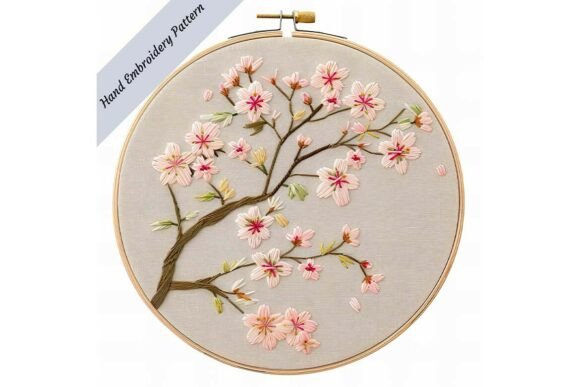
The immediate impact of Cherry Blossom Branch Embroidery Patter3 is one of delicate restraint. Unlike bold, blocky logos or dense fill-heavy motifs, this design relies on negative space and line weight to convey its message. The layout features a graceful branch structure adorned with soft pink blossoms and fresh green leaves. It feels organic rather than rigid, which is crucial for designs intended to evoke feelings of spring, renewal, or gentle elegance.
For an Etsy seller or small business owner, visual appeal is only half the battle. The other half is execution. The design’s open structure suggests it will sit well on various fabrics without causing excessive distortion. It avoids the "cardboard effect" often seen in poorly digitized floral designs where heavy satin stitches stiffen the material. Instead, the balance between the branch lines and the flower clusters suggests a thoughtful approach to stitch density.
Real-World Application: From Tote Bags to Sweatshirts
To truly test a design, you have to imagine it on a product. I recently worked on a custom order for a local boutique needing a signature spring collection. They wanted something that felt handmade yet professional. Cherry Blossom Branch Embroidery Patter3 became a strong contender for their tote bag design lineup.
On a canvas tote, the branch motif stretches beautifully across the front panel. The linear elements of the branch provide a natural flow that guides the eye, while the blossoms add pops of color without overwhelming the bag’s utility. Because the design isn’t overly dense, it remains lightweight, ensuring the bag doesn’t become stiff or uncomfortable to carry.
Beyond bags, this design shines in custom apparel. Imagine it placed subtly on the left chest of a high-quality cotton sweatshirt. The contrast of soft pink threads against heather gray or navy fabric creates a sophisticated, understated look. It works equally well as a larger back piece on a women’s fitted tee, where the branching structure can follow the curve of the shoulder blade. For baby embroidery, scaling this down for a onesie or receiving blanket adds a touch of whimsical charm that parents love for nursery decor and personalized gifts.
Navigating Technical Challenges
While the aesthetic is strong, practical application requires caution. Any experienced embroiderer knows that delicate details can be tricky. Here is where you need to pay attention to the technical specs of your embroidery file.
- Fabric Texture: On highly textured fabrics like terry cloth or thick wool, the finer details of the leaves might get lost. This design performs best on smooth to medium-texture materials like cotton, linen, poly-blends, and stable knits.
- Stabilizer Choice: Because the design likely utilizes a mix of running stitch for branches and potentially satin stitch or light fills for petals, proper stabilization is non-negotiable. Use a cut-away stabilizer for stretchy garments like t-shirts to prevent distortion after washing. For woven fabrics like aprons or pillow covers, a tear-away may suffice, but always test first.
- Thread Colors: The success of this design hinges on color contrast. Using similar shades of pink for the blossoms and background fabric will make the design disappear. Opt for high-contrast combinations, such as white blossoms on dark denim or vibrant pink on crisp white linen.
- Hoop Size: Ensure your hoop size accommodates the full width of the branch. Crowding the design into a too-small hoop can cause registration issues, where the leaves and flowers do not align perfectly with the branch stems.
Commercial Viability and Brand Consistency
For those running a craft business, consistency is key. Cherry Blossom Branch Embroidery Patter3 offers a versatile asset that can be adapted across multiple product lines. You can use it on embroidered patches for hats, as a central motif on holiday embroidery projects like Easter linens, or even as part of a larger collage for wedding gifts.
However, before listing finished products or selling the digital file itself, you must verify the licensing terms. Not all digital embroidery file providers allow commercial use of the finished goods. Check the specific license associated with this pattern. If it allows commercial use, it becomes a valuable addition to your design assets, enabling you to create cohesive collections that build brand recognition.
Designer Notes for Best Results
Before committing to a large production run, follow these practical steps:
- Test on Scrap Fabric: Always stitch out a sample on the exact fabric type you intend to use. This reveals any tension issues or thread breaks.
- Check Stitch Density: If the petals feel too thick, consider adjusting the pull compensation or density settings in your software if you have editing capabilities.
- Mockup in Black and White: View the design in grayscale to ensure the structural lines are clear and the composition holds up without color reliance.
- Inspect Small Details: Zoom in on the leaf tips and blossom centers. Are there tiny jumps or unnecessary trims? Clean files save time and reduce thread waste.
In conclusion, Cherry Blossom Branch Embroidery Patter3 is a refined choice for designers seeking a balance between elegance and practicality. It avoids the pitfalls of over-digitization, offering a clean, airy aesthetic that translates well to both handmade product lines and professional commercial embroidery jobs. With careful attention to fabric choice and stabilization, this design can elevate your finished product quality, delighting customers with its timeless, natural beauty.